How can you recognize burnout?
“These past few weeks, I haven’t even had time to eat my sandwich at lunch. I’ve been doing everything on my laptop.” She was sitting across from me and had barely mustered the energy to make it to my office. A few weeks ago, she’d received a diagnosis: burnout. We talked about it for the first time. She arrived just after my lunch break, during which I had eaten my sandwich at my desk while “quickly” updating the reports for the people I had seen that morning. I felt caught.
PUSHING THE LIMITS
Sometimes it’s the little things we do all the time: neglecting ourselves for a moment because we don’t have time right now. Pushing the limits of what actually feels comfortable. Working 50 hours just this week.
If we consistently fail to make those small choices often enough, a chronic deficit eventually develops. For example, a lack of healthy eating, sleep, exercise, self-care, emotional or mental well-being, presence, or connection. And before we know it, we ’ve burned ourselves out over the long term. We keep pushing our limits just a little bit further, because that’s what life seems to demand of us right now. And after all, it’s only temporary, right?
BURNOUT SYMPTOMS
“Burnout is a prolonged overstimulation of the sympathetic nervous system, which prevents you from relaxing and causes you to experience a constant feeling of overstimulation and exhaustion.”
Burnout doesn’t happen overnight; it results from the cumulative effects of pushing past your limits or not even realizing you have limits. Consistently taking on too much from your colleagues “because you can do it much faster” or “see things better.” Constantly juggling too many tasks at once, because “if you don’t do it, who will?” or because “it’s just a lot to handle with a house full of kids, a partner with a new job, and a continuing education program in the evenings.” Over time, this makes us feel emotionally drained or overwhelmed, causes us to withdraw a little more from our social lives, and leaves us with a constant sense of stress.
Exhaustion caused by chronic overstimulation of our sympathetic nervous system (which is needed for movement, fight, and flight responses) is another major contributor to stress or burnout. In our society, where we’re constantly “on” and suffer from many stress-related symptoms as a result, it’s the exception rather than the rule for your sympathetic nervous system to be in balance with your parasympathetic nervous system (which you need for rest and digestion). And this can make you feel restless, overstimulated, stressed, or nervous. As if there’s always a string that’s “tightened.” These are the early warning signs or symptoms of burnout.
A FEW TIPS TO PREVENT BURNOUT:
- Make sure you get a good night’s sleep. Don’t eat after 8:00 p.m. and limit your intake of added sugars.
- Take a break. Decide to stop doing one or two tasks and limit your phone use.
- Take responsibility only for yourself, and don’t take on someone else’s burden.
HOW DO I SET HEALTHY BOUNDARIES?
If you recognize yourself in one or more of the aspects I’ve described here, it doesn’t necessarily mean you’re already experiencing burnout, but you might be heading in that direction. If that’s the case, you should definitely consider joining the new online training course: How Do I (Re)Establish Healthy Boundaries? In this course, I’ll delve deeply into the causes of burnout, such as not knowing what your healthy boundaries are, not being clear on your needs, and not knowing where your responsibility ends and someone else’s begins. We’ll also look at what our nervous system is trying to tell us, so we can make healthy choices and experience less stress over the long term.
Thanks to my brave coachee, I learned that day to always make time for my lunch, no matter how busy I think I am. Finding small moments to unwind turned out to be a great tip for me, too, and it’s something I still practice in my daily life.
Does this article appeal to you? Then sign up for the online training: How do I (re)establish healthy boundaries? Also check out the books by Discover Your Holy Grail. Are you curious about what we have to offer? Then sign up for one of our events. You might also want to check out our podcast for more inspiration. Episode 38 is about burnout.
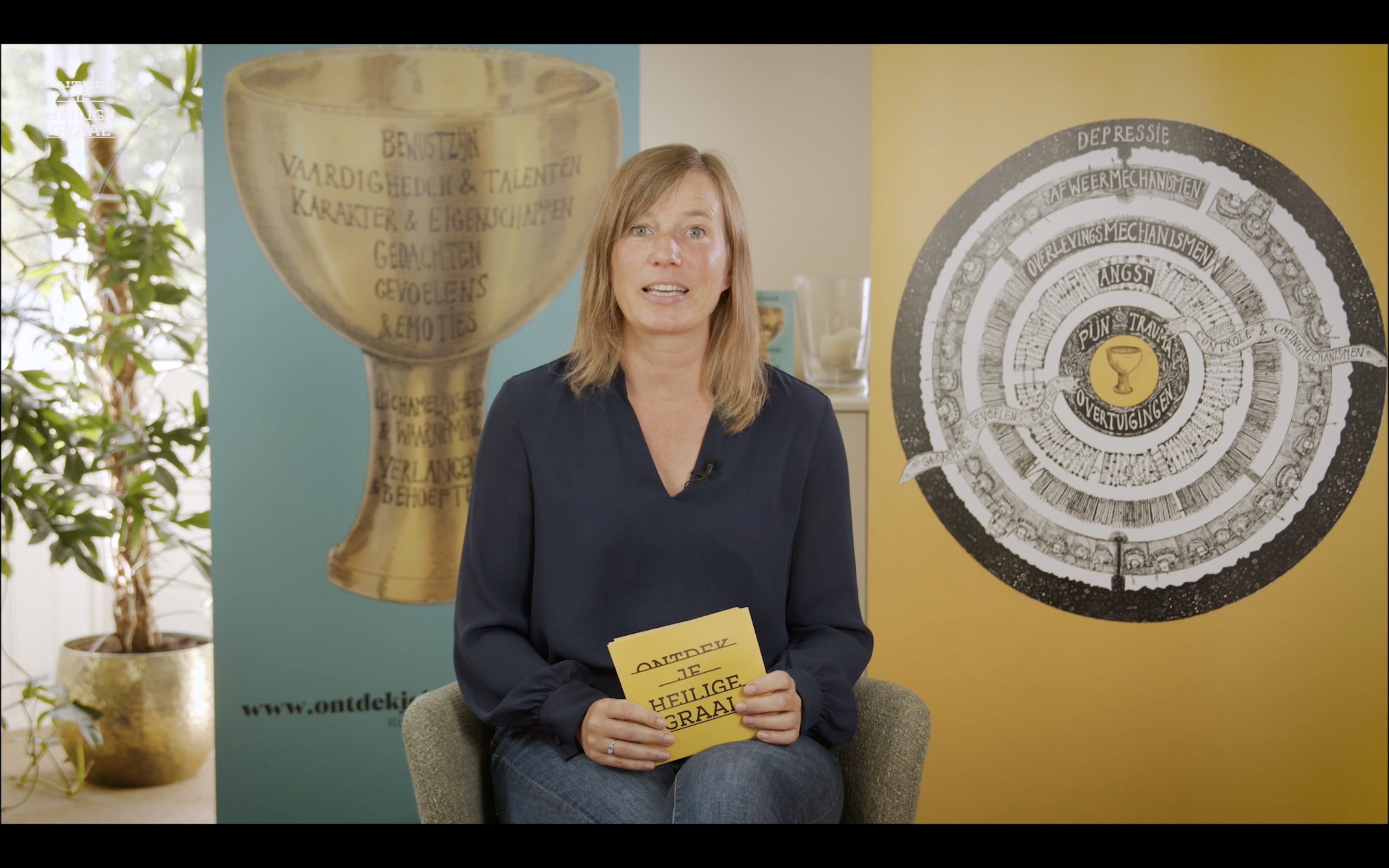
My name is Rianne van Kuil, author of Discover Your Holy Grail – Your Hero’s Journey from Trauma to Healing, a trauma and experiential expert, and a podcast creator. I believe that complete healing from trauma is possible, and I guide people on that journey.
Other articles
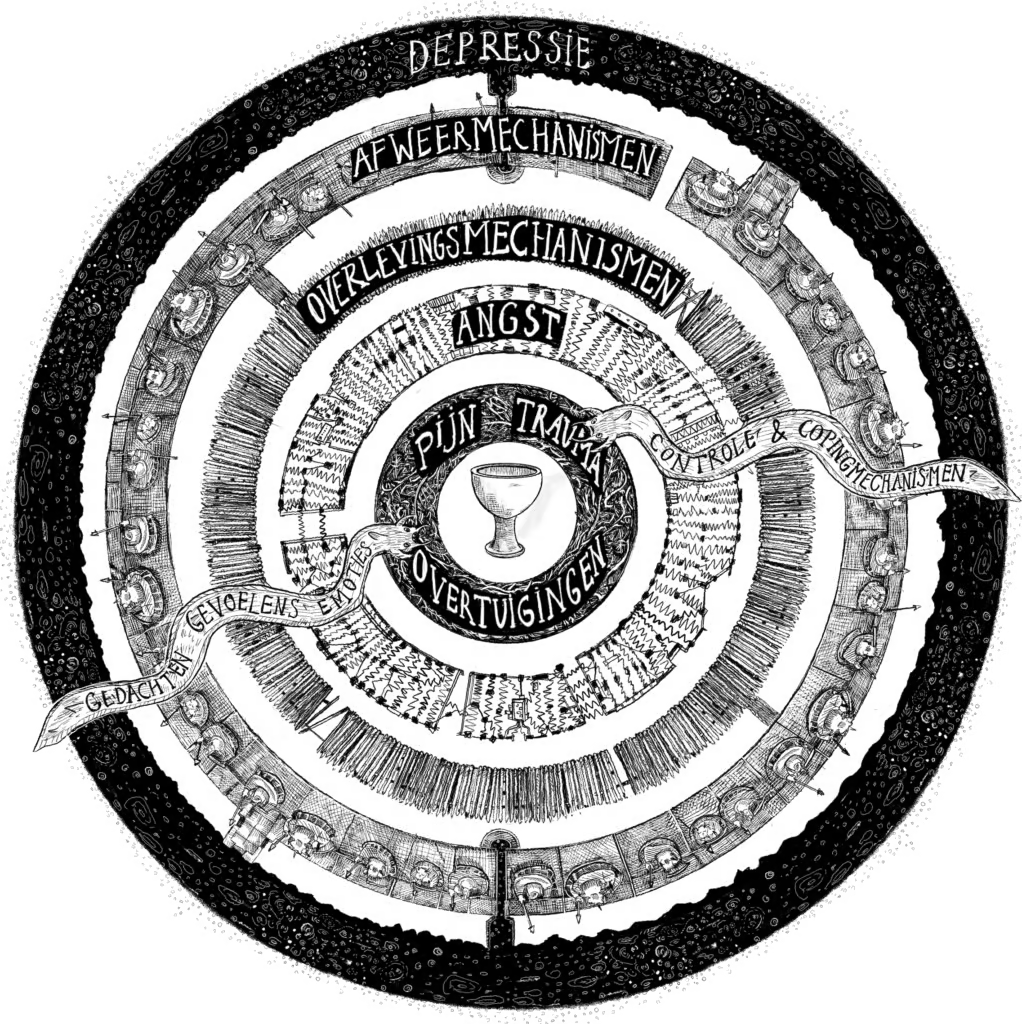
Even though we often don’t want to, we do it anyway: we go into survival mode.

→ Do your thoughts sometimes run away with you? → Do you want more peace of

→ Do you want to feel, but don’t know how? → Are you feeling all sorts

