Wat wil mentale pijn je zeggen?
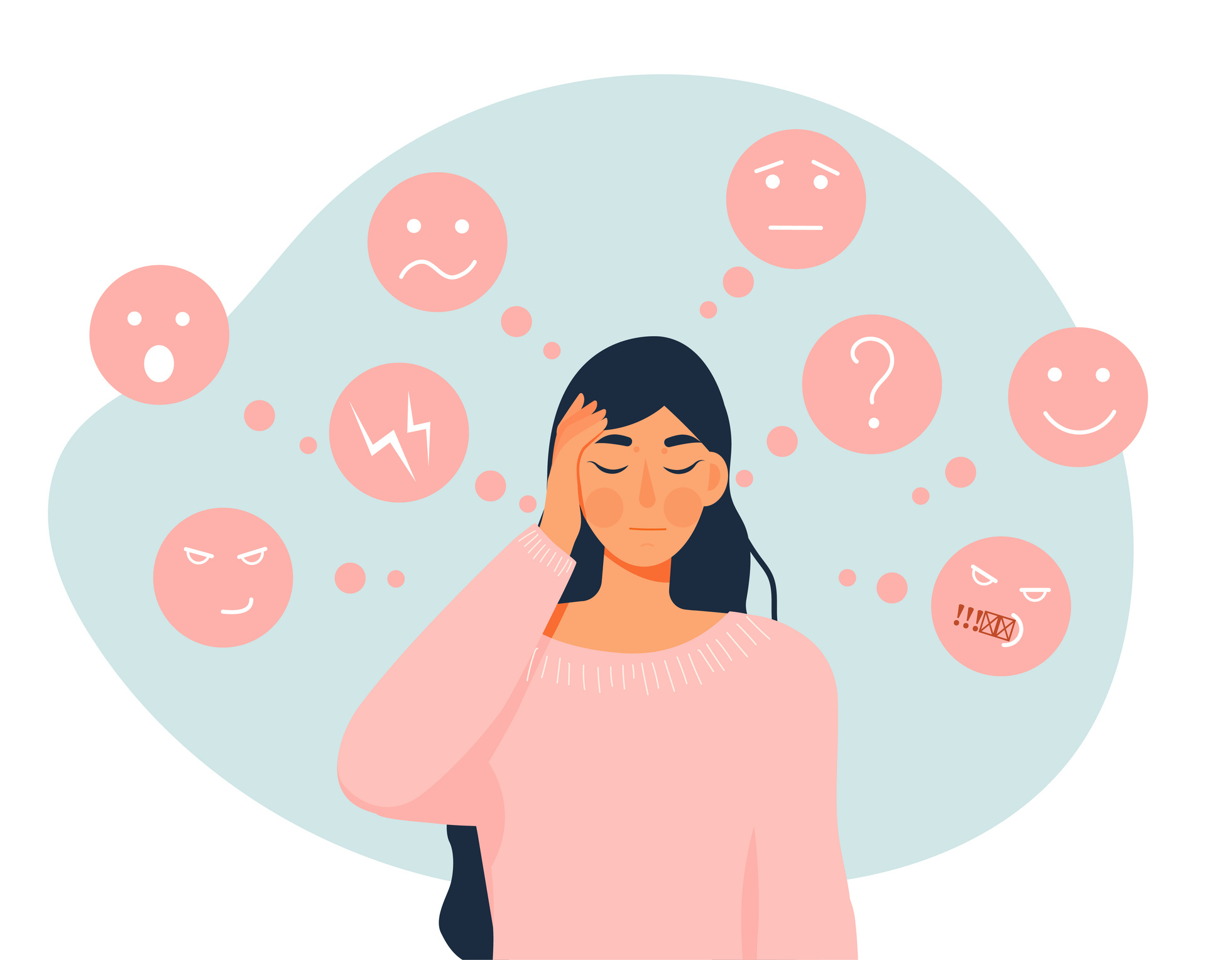
‘Ik voel me niet gezien.’ ‘Ik voel me waardeloos.’ ‘Ik voel een groot verdriet.’
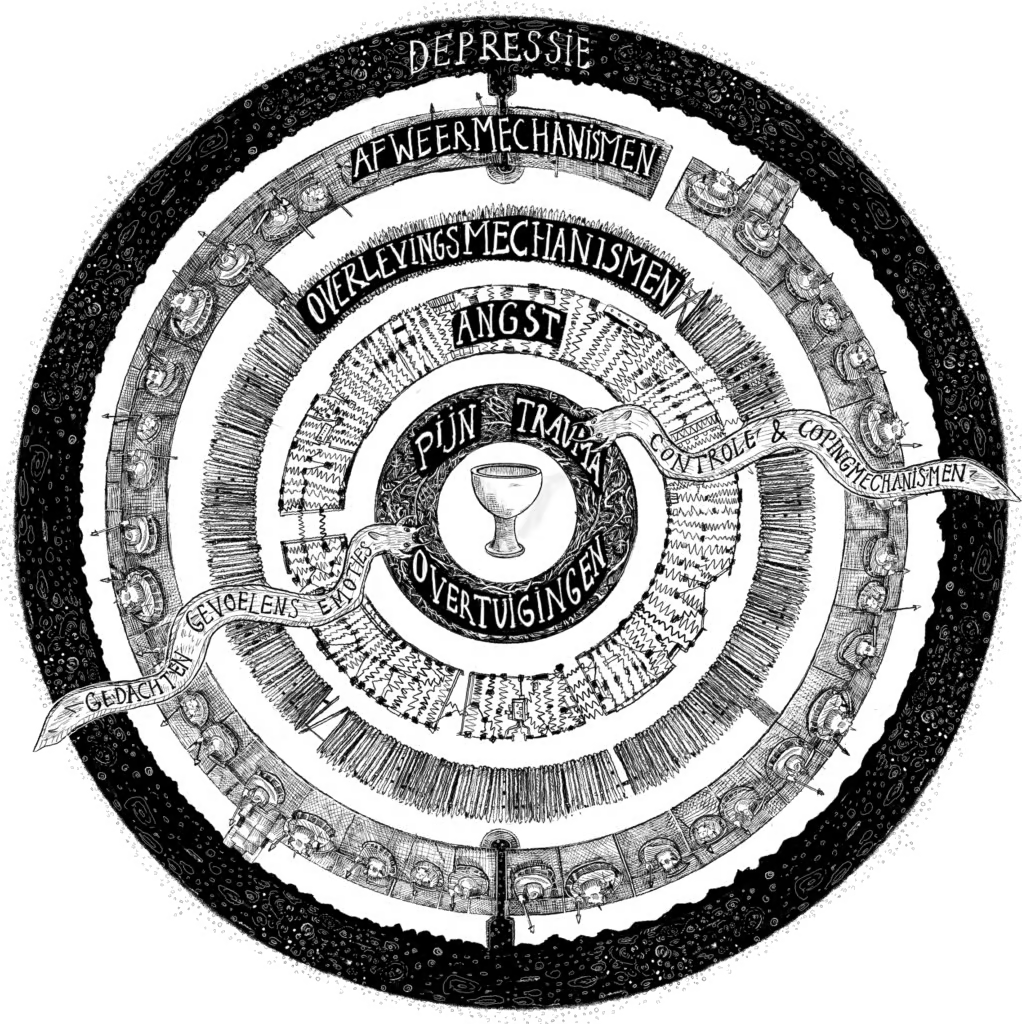
Mentale pijn ligt op de voedingsbodem van het overlevingssysteem. Dat betekent dat oa door pijn het hele systeem in werking treedt.
“Wanneer we mentale pijn voelen, dan ervaren we afwijzing of verlies.”
En deze emoties geven aan onze hersenen het signaal: ‘De situatie is niet gezond, doe iets!’. Meestal met als resultaat dat ons overlevingssysteem in paraatheid wordt gebracht en we impulsief onze pijn bedekken. Hoe? Door bang te worden voor onze pijn, door onze overlevingsstrategieën aan te wenden en te vechten, vluchten, vleien of bevriezen. En zo gaan we laag voor laag vliegensvlug ons hele overlevingssysteem in.
Waardoor voelen we mentale pijn?
Voelt pijn bij iedereen hetzelfde? Nee. Onze hersenen (en met name onze amygdalae, onze ‘rookmelders’) vinden eerst uit of we de pijn al kennen van een eerdere ervaring. Als dat zo is, dan slaan we bij de daaropvolgende ervaringen sneller alarm. Want, we kennen een soortgelijke situatie en die was de vorige keer heel erg naar! Dus reageer je nu meestal heftiger op iets wat ‘lijkt’ op vroeger, dan dat je eerder deed, toen je eenzelfde ervaring voor het eerst onderging. En dat terwijl je vaak door die ervaring meer hebt geleerd en je dus eigenlijk milder zou kunnen reageren. Maar dat slaan onze hersenen niet zo goed op. Er is geen databank voor wijsheid die gekoppeld kan worden aan nieuwe ervaringen. Er is vooral een databank voor gevaar. En pijn is gevaar!
Veiligheid bij pijn
Wat ook meespeelt in het gevoel van intensiteit van de pijn, is of je de tijd en de ruimte ervaart om bij je pijn stil te staan. Als je mentaal of emotioneel enorm geraakt bent – bijvoorbeeld door fysiek misbruik of een overlijden – dan is het noodzakelijk om eerst door te gaan, voordat je instort. Je moet jezelf, en soms ook anderen, namelijk eerst in veiligheid brengen of zorgen dat belangrijke zaken eerst geregeld worden. Pas als de rust is wedergekeerd, zul je merken dat je pijn omhoogkomt en om aandacht vraagt.
Wat heb je meegemaakt?
Tenslotte is het bij pijnbeleving van belang hoe je dag, of zelfs je leven, is gegaan tot het moment van deze nieuwe pijnlijke ervaring. Heb je veel meegemaakt dat je van je pad bracht én je hebt dat niet kunnen verwerken, dan zul je de verse ervaring als intenser beleven dan wanneer je leven eigenlijk wel op rolletjes loopt en je nu ‘een keer’ iets meemaakt dat je even uit het lood slaat. Je veert gemakkelijker op als het leven meezit, dan wanneer je tegenslagen lijkt te stapelen. Ténzij je de tools hebt en de tijd hebt genomen om je eerdere pijn te verwerken. Dan kun je juist beter tegen nieuwe pijn dan iemand die voor het eerst eenzelfde situatie meemaakt.
Mentale pijn: Afwijzing en verlies
Laten we nóg iets dieper op het fenomeen mentale pijn ingaan. Want, waarover ervaren we pijn? We kennen dus:
- de pijn van afwijzing
- en de pijn van verlies
Wat is de pijn van afwijzing?
De pijn van afwijzing voelen we wanneer iemand ons (structureel) onaardig behandelt. Vooral wanneer dit in onze kindertijd plaatsvindt door een van onze ouders, kunnen we gaan leven naar wat de afwijzing ons – al dan niet hardop uitgesproken – keer op keer vertelt. Zo heb ik structureel van mijn vader het gevoel gekregen dat ik ‘te veel’ was. Wat ik aan hem vroeg kon niet, kostte te veel geld, tijd of aandacht. Ik kreeg dan ook in mijn herinnering vrijwel altijd ‘nee’ te horen als ik hem iets vroeg. Hierdoor stopte ik uiteindelijk met vragen en loste alles zelf op. Ik kon de afwijzing niet langer aan en besloot: ik doe het zelf wel.
Dit voerde ik jarenlang minutieus uit. In mijn relatie, op mijn werk en in het vrijwilligerswerk in de kerk. Hierdoor verloor ik de verbinding met mensen die graag iets samen wilden doen. Ik wist het inmiddels niet meer, maar eigenlijk durfde ik me niet over te geven aan de mogelijkheid weer opnieuw afgewezen te worden als ik om hulp zou vragen.
Ik hield dit jarenlang vol, tot ik niet meer kon. Ik kon het niet meer allemaal zelf, ik had er een puinhoop van gemaakt. Ik móest wel om hulp vragen. Ik vond het doodeng, maar toen ik dat deed, bleken er hele lieve mensen te bestaan die me niet afwezen, maar juist ondersteunden en omarmden.
Die onvoorwaardelijk liefdevolle ervaringen werden mijn nieuwe blauwdruk, waardoor ik het nu tot mijn werk heb gemaakt om mensen te omarmen die zich – net als ik – jarenlang afgewezen voelden.
Ik heb ontdekt dat ik het in het leven niet meer alleen hoef te doen en het is mijn wens dat jij dat ook zult ervaren, omdat je daardoor je pijn van afwijzing kunt loslaten en sámen kunt helen.
Wat is de pijn van verlies?
Dan heb je nog de pijn van verlies. Deze voelen we niet alleen als we daadwerkelijk iemand verliezen aan de dood, maar ook wanneer we een partner verliezen door een scheiding, of wanneer we onze onschuld verliezen, onze spontaniteit, onze baan, onze veiligheid of onze onbevreesdheid. We kunnen in ons leven veel verliezen en dat geeft vaak pijn.
Deze pijn móet gehoord en gezien worden… door ons. Rouwen over het verlies is een essentieel onderdeel van de pijnverwerking. En dat start bij het herkennen dat we pijn hebben. Bij de herkenning dat we een verlies in ons dragen. Herken jij dit in jouw leven? Dan kun je vanuit hier het rouwproces starten. Hoe je dat doet, lees je in Ontdek je Heilige Graal.
Spreekt dit artikel je aan? Lees dan ook eens de boeken van Ontdek je Heilige Graal. Ben je nieuwsgierig geworden naar wat we allemaal organiseren? Geef je dan op voor één van onze events. Je kunt ook eens luisteren naar onze podcast voor meer inspiratie. In aflevering 5 gaat het over het verwerken van pijn.
Ik ben Rianne van Kuil, auteur van Ontdek je Heilige Graal – Jouw reis van trauma naar
heling, trauma- en ervaringsdeskundige en podcastmaker. Ik geloof dat volledige heling van trauma mogelijk is en begeleid mensen op die reis.
Fotocredit: Rudzhan Nagiev
Andere artikelen
Hoewel we het vaak niet willen, doen we het toch: we zitten in de overlevingsmodus. Waarom

→ Gaan je gedachten soms met je op de loop? → Wil je meer rust in

→ Wil je wel voelen, maar weet je niet hoe? → Voel je van alles, maar

