Waarom vinden we ontvangen soms zo moeilijk?
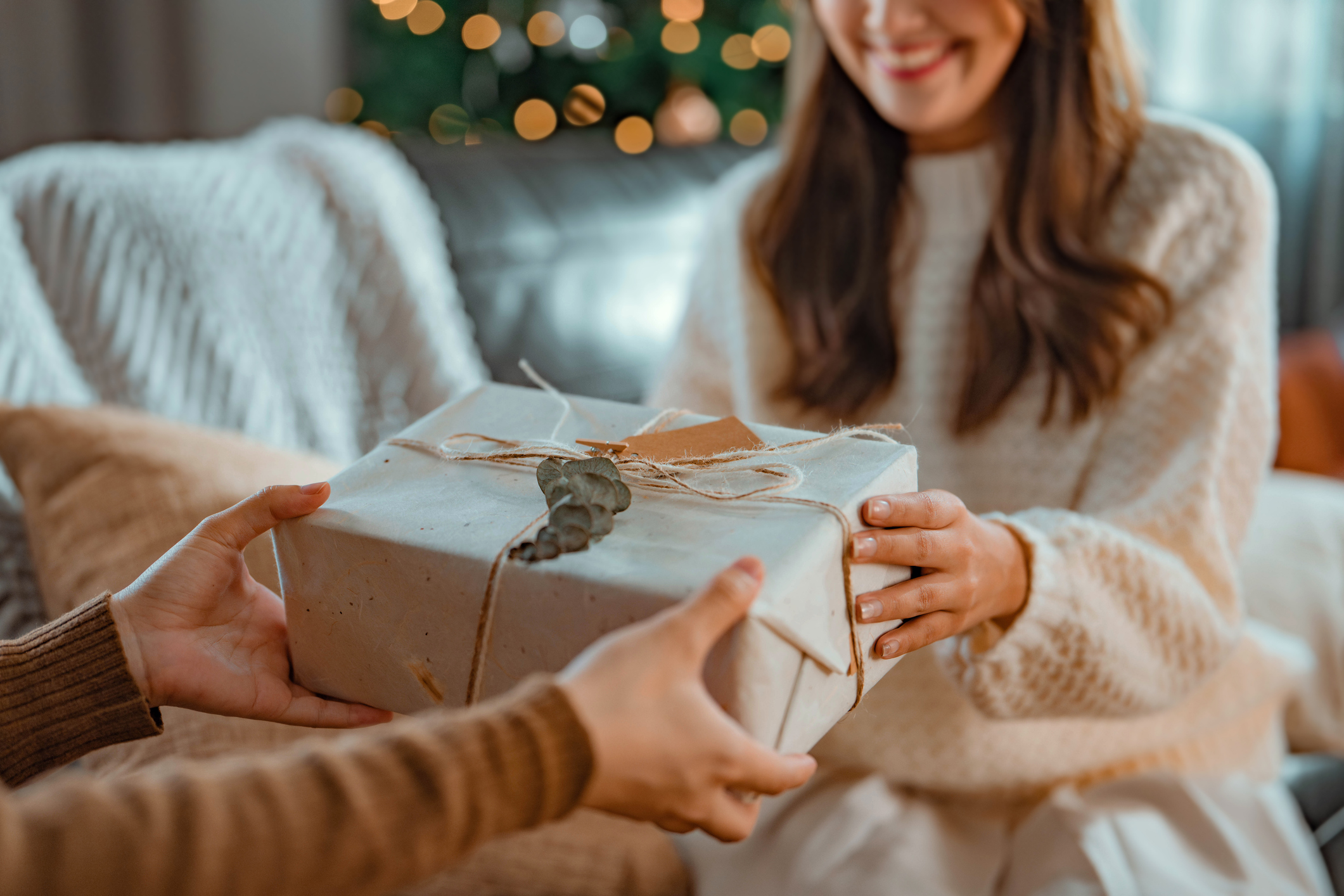
Er wordt gezegd dat er liefdestalen bestaan. Zo kun je jouw liefde uiten in woorden, in aanraking, in ‘er zijn’ of bijvoorbeeld in cadeaus… Ik vermoed dat ik alle talen lekker spreek, maar ik word zelf heel blij van cadeaus geven. Op zoek gaan naar iets dat écht past bij een ander. Of iemand verrassen met een onverwachte kleinigheid, ik ben er dol op!
ONTVANGEN
Ontvangen vond ik lang veel lastiger. Troost, een bemoediging, oprechte interesse of een cadeautje… ik vond het best moeilijk om het volmondig te ontvangen. Vooral wanneer ik niets terug kon geven of de ander dat niet wilde, omdat hij of zij míj iets wilde geven.
Misschien herken je het wel. Je bent liever een gever dan een ontvanger. Waarom is ontvangen toch vaak zo lastig? Ik vermoed dat het door een aantal factoren wordt versterkt.
SCHULD
We hebben graag een rekening die in balans is, of waarbij de ander net iets meer schuld heeft bij ons dan wij bij de ander. Dat plaatst ons in een positie van macht, al is het maar heel klein. Wij zijn nét wat guller, sneller, vriendelijker… en de ander staat bij ons (een klein beetje) in het krijt. Dat helpt ons om minder angst te hebben voor verlating of afwijzing. We laten namelijk zien dat we iets over hebben voor de relatie en de ander echt zien. Dat geeft ons veiligheid en nog een goed gevoel over onszelf ook!
AAN EN GAAN
En misschien speelt iets anders een nog grotere rol: ons sympathisch zenuwstelsel. Dit is ons ‘aan en gaan’ zenuwstelsel. Wanneer we trauma of pijn hebben meegemaakt – of we ervaren stress en overprikkeling – dan staat dit deel van het autonome zenuwstelsel vaak volle bak aan. Het zorgt ervoor dat we in actie komen en naar voren bewegen. En hoe handig dit ook is, het maakt in ons lichaam ook de beweging van geven. En als we willen ontvangen helpt ons dat niet echt.
LEVENSGEVAAR
Wanneer we ontvangen, openen we onze armen en handen, gaat de borst iets naar voren en leunen we iets naar achter. Hiervoor is het nodig dat ons autonome zenuwstelsel omschakelt van het sympathisch zenuwstelsel naar het parasympatisch zenuwstelsel, ons ‘rust en herstel’ zenuwstelsel. Het is dít zenuwstelsel dat ons in staat stelt om te ontvangen.
Maar… als we vroeger met levensgevaar te maken hebben gehad (en dat hebben we als baby’tje al snel), dan wil dit deel van ons lijf helemaal niet ontvangen, want dat kan je wel eens de kop kosten. Ons parasympathisch zenuwstelsel is namelijk óók de snelweg om razendsnel levensgevaar te aan onze hersenen door te geven. En als wij de herinnering aan levensgevaar in ons dragen, dan is het niet relaxt om te ontvangen. Dan moeten we beschermen, waarbij we geen open houding hebben, maar een naar voren gekromde houding, waarbij we onze buik beschermen, zodat we onze vitale organen omarmen en optimale zorg geven.
ONTVANGEN = ONTSPANNEN
Om te kunnen ontvangen, moeten we dus kunnen ontspannen. Niet ‘aan staan’, maar actief open kunnen staan voor wat er ons aangeboden wordt. Om dat te leren, is het herkennen van de trauma- of gevaar-reacties in je lichaam essentieel. Van hieruit kun je – samen met een goede coach of (lichaamsgerichte) therapeut – stap voor stap jezelf veilig maken, waardoor je ontspannen kunt ontvangen. En dat is bij het krijgen van cadeaus héél leuk, zowel voor jou als voor de gever.
3 TIPS OM TE KUNNEN ONTVANGEN
- Probeer nieuwsgierig en open te zijn naar degene die je iets wil geven.
- Geef jezelf echte veiligheid door traumawerk.
- Rust voldoende, zodat je regelmatig in het parasympathisch zenuwstelsel zit.
Deze maand wil ík je graag een klein cadeautje geven. Je krijgt de hele maand december 10% korting om de online-training: Hoe (her)stel ik gezonde grenzen? Gebruik hiervoor de code: TRAINING-10.
Spreekt dit artikel je aan? Lees ook eens de boeken van Ontdek je Heilige Graal. Ben je nieuwsgierig geworden naar wat we allemaal organiseren? Geef je dan op voor één van onze events. Je kunt ook eens luisteren naar onze podcast voor meer inspiratie.
Ik ben Rianne van Kuil, auteur van Ontdek je Heilige Graal – Jouw heldenreis van trauma naar heling, trauma- en helingsdeskundige. Ik geloof dat volledige heling van trauma mogelijk is en begeleid mensen op die reis.
Foto: iStock-Bankxr
Andere artikelen
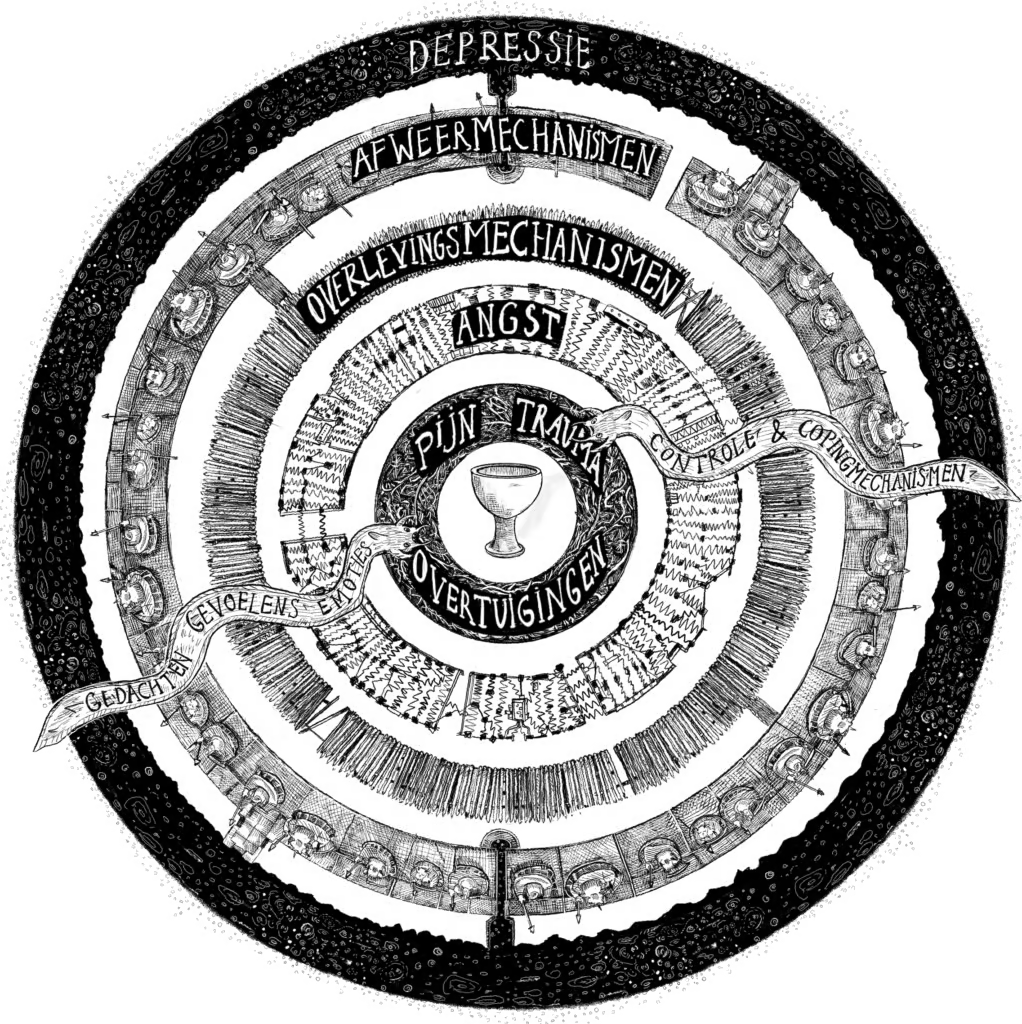
Hoewel we het vaak niet willen, doen we het toch: we zitten in de overlevingsmodus. Waarom

→ Gaan je gedachten soms met je op de loop? → Wil je meer rust in

→ Wil je wel voelen, maar weet je niet hoe? → Voel je van alles, maar

