Waarom zet je coping mechanismen bij trauma’s in?

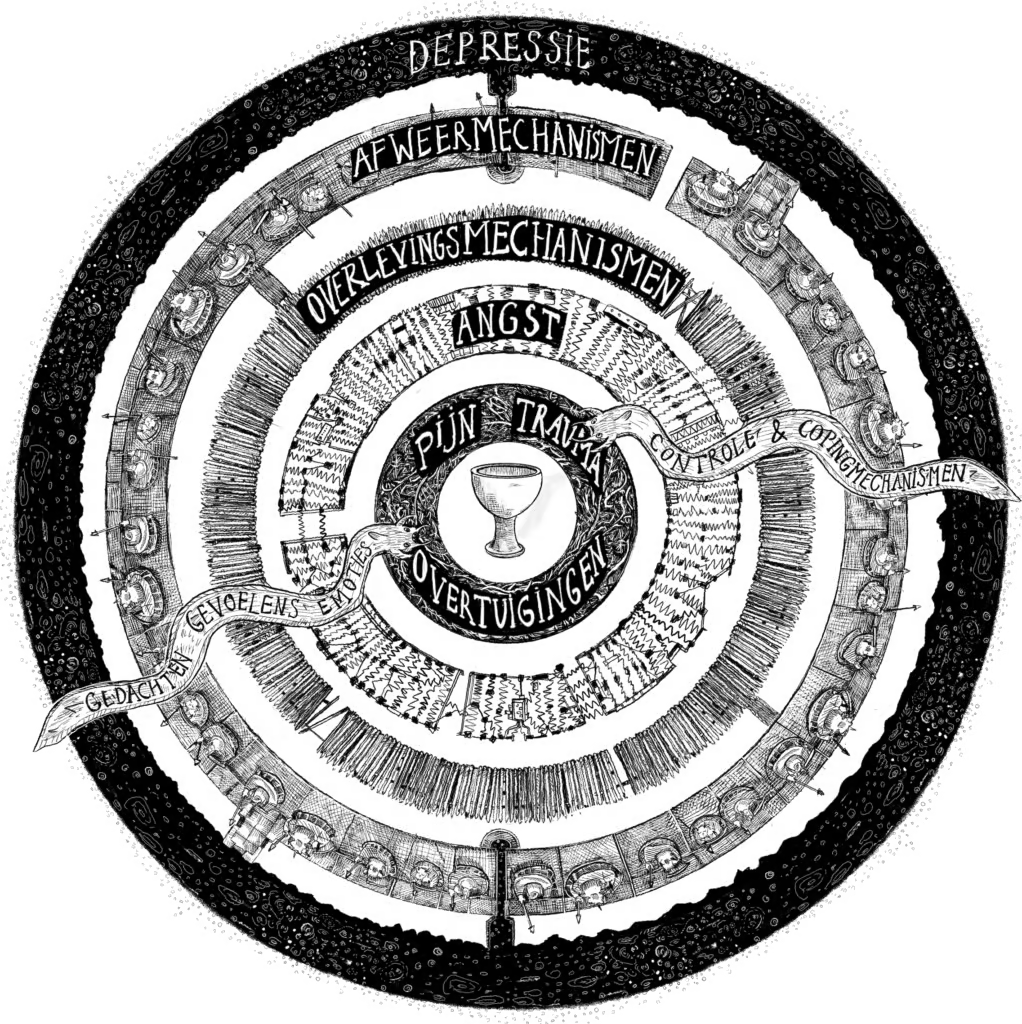
“Wanneer we iets hebben meegemaakt dat ons angstig maakt voor herhaling, zoeken we controle. Deze vorm van omgaan met onze pijn of angst noemen we een coping mechanisme.”
De een wil heel graag dat iedereen op dezelfde manier werkt als zij, de ander plant de dagen minutieus in en weer een ander hoopt op een wonder. Het zijn allemaal manieren om ons leven, onze pijn, onze trauma’s onze angst en onze onzekerheid te controleren.
WELKE COPING MECHANISMEN BESTAAN ER?
Je hebt tal van coping mechanismen.
- Dit kan bijvoorbeeld een heel gezond mechanisme zijn zoals om hulp vragen
- Maar het kan ook een ongezonder wensen zijn dat je leven anders zou lopen of zijn.
- Het kan zich zelfs ontwikkelen tot een zeer ongezonde vorm dat machteloze passiviteit heet. Hierdoor lukt het je bijvoorbeeld maar niet om van de bank op te staan of uit je telefoon te ontwaken.
We passen onze coping mechanismen vaak heel onbewust of maar zeer beperkt bewust toe. Bijvoorbeeld als we iets naars meemaken, we onszelf gaan vergelijken met anderen die het ‘erger’ hebben: ‘Gelukkig heb ik geen kanker.’ ‘Dit is wel vervelend, maar Jordy heeft het pas echt te voortduren. Zijn vriendin is van de week ontslagen, terwijl ze net hun huis hebben gekocht!’.
Door deze mechanismen ontkennen we voor een deel onze eigen pijn of onzekerheid. Hierdoor overleven we gemakkelijker, maar de valkuil is dat we door deze ontkenning ook niet echt tot actie overgaan, want: zo erg is het allemaal niet. Hierdoor blijven we vaak veel langer dan gezond voor ons is in een vervelende situatie hangen. Want, zo lang we onze eigen pijn bagatelliseren, wanneer is het dan wel erg genoeg om in actie te komen?
WENSDENKEN
In mijn omgeving ken ik iemand wiens partner al lange tijd ziek is. Elk jaar hoor ik haar zeggen: ‘Er moet nu echt iets veranderen, want ik trek dit niet langer.’ Er verandert niets, want haar partner blijft ziek. En ze trekt het inderdaad steeds minder goed. Een korter lontje, meer frustratie en onderhuidse boosheid. Doordat ze niet toegeeft aan de realiteit van de situatie – de ander is ziek – , maar het coping mechanisme wensdenken inzet, hoopt ze elke keer dat de situatie verbetert en ‘houdt ze het tot die tijd wel vol’.
CONTROLE OVER MACHTELOOSHEID
Waarom zetten we onze coping mechanismen in als het niet echt gezond voor ons is? Dat komt doordat het allereerste gevoel dat we allemaal in ons leven hebben ervaren het gevoel van machteloosheid is. Als baby’tje hebben we dit de hele dag door gevoeld, week na week. Doordat we onze voeding, warmte en veiligheid niet meer automatisch kregen zoals in de baarmoeder, voelt de wereld om ons heen opeens enorm bedreigend, want we zijn nog niet in staat tot zelfzorg.
Dit levert een continue staat van machteloosheid op. We weten door deze gestapelde ervaringen wat een rotgevoel dit is – het voelt zelfs levensbedreigend – en we willen dit koste wat kost vermijden. Hierdoor zoeken we controle in ons dagelijks leven of proberen we anderen te controleren met mechanismen uit ons overlevingssysteem.
Controle geeft een gevoel van macht, in plaats van machteloosheid. En dat is een uitstekende motivatie om het te blijven zoeken.
REGIE IN PLAATS VAN EEN COPINGMECHANISME
Totdat… we ontdekken dat we vanuit onze Heilige Graal, ons ware en wijze zelf, alle instrumenten hebben om gezond met onze machteloosheid om te gaan. Bijvoorbeeld door onze vaardigheden in te zetten, ons karakter voor ons te laten werken, te luisteren naar onze behoeften of onze geleerde kennis in te zetten in de praktijk.
We kunnen risico’s nemen en kiezen voor het onbekende, omdat we wijs genoeg zijn om die sprong in het diepe zorgvuldig te begeleiden. Zo hoeven we niet langer ons leven te controleren, maar leven we vanuit ons gezonde, spontane deel met regie.
Jij beslist door gebruik te maken van je denkend brein in combinatie met je voelend brein, je hart en je intuïtie, wat een gezonde volgende stap is op jouw pad. Nu heb je geen controle nodig, maar kun je varen op wie je écht bent en wat je hebt geleerd in jouw leven. Zo kun je in vrijheid, met regie, jouw leven léven.
Spreekt dit artikel je aan? Lees dan ook eens de boeken van Ontdek je Heilige Graal. Ben je nieuwsgierig geworden naar wat we allemaal organiseren? Geef je dan op voor één van onze events. Je kunt ook eens luisteren naar onze podcast voor meer inspiratie. Aflevering 12 gaat over het inzetten van onze afweer- en coping mechanismen.
Ik ben Rianne van Kuil, auteur van Ontdek je Heilige Graal – Jouw reis van trauma naar
heling, trauma- en ervaringsdeskundige en podcastmaker. Ik geloof dat volledige heling van trauma mogelijk is en begeleid mensen op die reis.
Fotocredit: Stock Photos
Andere artikelen
Hoewel we het vaak niet willen, doen we het toch: we zitten in de overlevingsmodus. Waarom

→ Gaan je gedachten soms met je op de loop? → Wil je meer rust in

→ Wil je wel voelen, maar weet je niet hoe? → Voel je van alles, maar

